
Stop Water Before It Reaches Your Foundation
Drainage Solutions & Yard Grading in Conroe for standing water, foundation seepage, and erosion that damages landscaping
Lawrence Outdoor Construction installs drainage systems and reworks yard grading for homeowners in Conroe who see pooling water after storms, muddy areas that never dry out, or soil washing away from flower beds and hardscape edges. You might notice water sitting against your foundation, gutters that overflow because downspouts dump too close to the house, or low spots in the yard where grass dies and mosquitoes gather. This service redirects runoff using French drains, channel drains, downspout extensions, and graded slopes that move water away from structures and create usable outdoor space that stays dry.
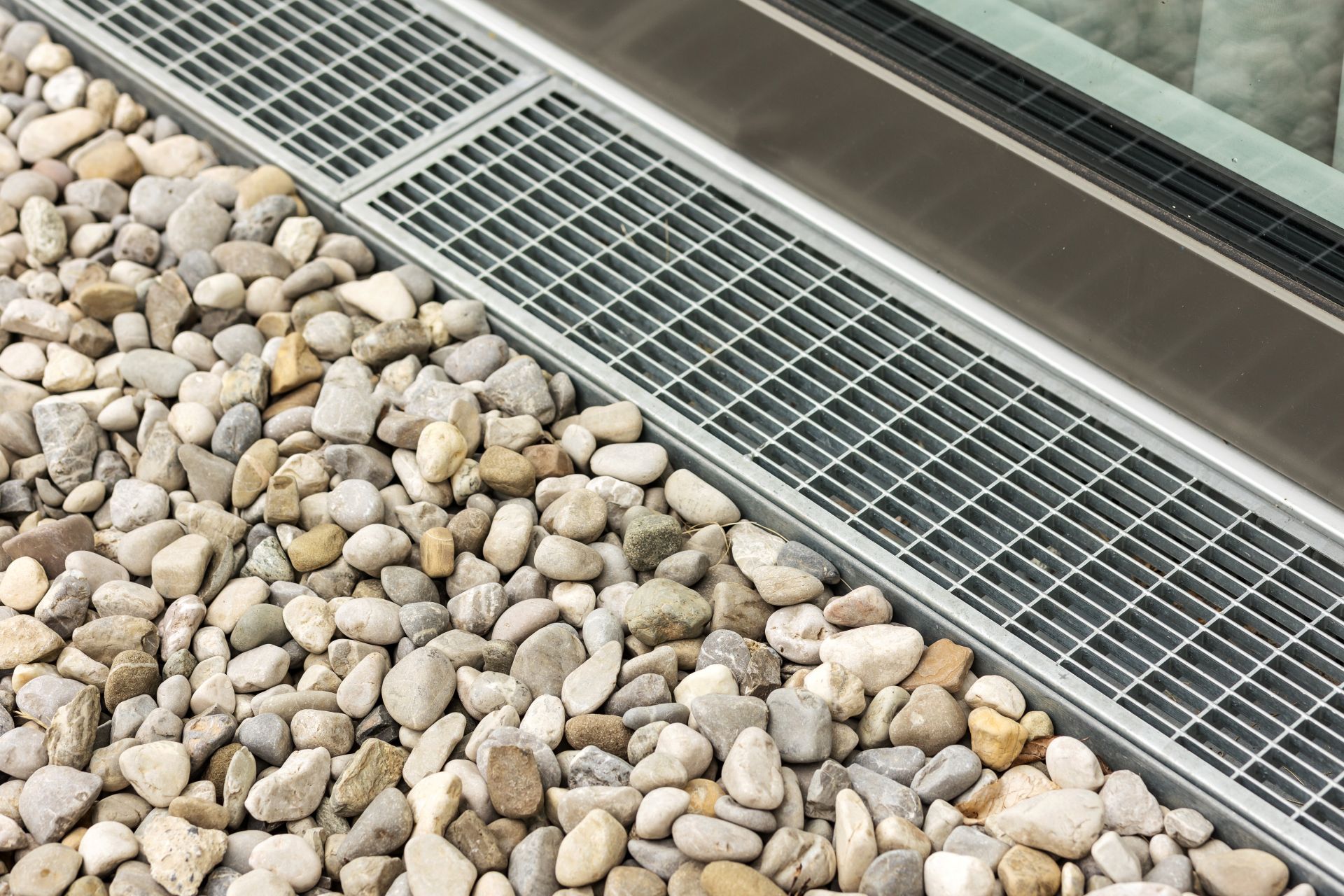
The work starts with identifying where water collects and why it is not draining naturally. Yard grading reshapes the soil surface so water flows toward street drainage or designated collection areas instead of pooling near your home. French drains use perforated pipe surrounded by gravel to capture subsurface water and carry it away from problem zones. Channel drains are installed in hardscape areas like patios and driveways to intercept surface flow before it reaches doors or foundations. Downspout drainage ties your gutter system into underground lines that empty far from the house. Swales and water diversion berms can be added to control heavy rain runoff on sloped lots or properties with poor natural drainage.
If water is causing damage or limiting how you use your yard, contact Lawrence Outdoor Construction to evaluate drainage solutions in Conroe.
What Changes After the Water Moves Off
You will see dry ground where water used to sit, and the soil around your foundation will stay firm instead of staying damp and soft. Grass grows back in areas that were constantly wet, and mulch beds stop washing out during storms. If you had erosion cutting through landscape beds or exposing tree roots, those areas stabilize once the flow is controlled. Lawrence Outdoor Construction often completes drainage work alongside patio or retaining wall projects so the entire outdoor space is graded correctly from the start.
Properly installed drainage systems remain hidden under soil or gravel and require little maintenance beyond occasional inspection of inlet grates to remove leaves or debris. French drains continue to function as long as the surrounding soil does not collapse into the trench, which is why proper gravel and fabric placement matters during installation. Channel drains need periodic cleaning to prevent clogs, especially if they are positioned near trees or in areas with heavy leaf fall.
This service does not include foundation repair, regrading that requires heavy equipment beyond standard skid steers, or connecting systems to municipal storm drains without permits. If your property has severe slope issues or requires retention ponds, that work is assessed separately. The focus is on controlling water at the residential level using proven methods that protect your home and outdoor investments.
Homeowners in Conroe often ask how deep drains need to go, whether grading will affect existing trees, and what happens during heavy rain events that exceed normal flow.
Common Questions About Drainage and Grading
How deep does a French drain need to be to work?
Most are installed eighteen to twenty-four inches deep, which puts the perforated pipe below the root zone of grass but above utility lines, allowing it to intercept subsurface water before it reaches the foundation.
What is yard grading and how much soil movement is involved?
Grading reshapes the surface by adding or removing soil to create a slope that directs water away from structures, typically requiring a drop of at least two inches per ten feet to ensure consistent flow.
When should drainage work happen relative to other outdoor projects?
It should be completed before landscape installation, sod placement, or final hardscape edging so the entire property drains correctly and newly installed features are not undermined by water movement.
Why do downspouts need to drain farther from the house?
Water dumped within a few feet of the foundation soaks into the soil and creates hydrostatic pressure against basement walls or slab edges, which can lead to cracks, seepage, or settlement over time.
What is a swale and when is it used instead of a drain?
A swale is a shallow, vegetated channel that slows and directs surface runoff across open yard areas, often used on larger lots where underground drainage is impractical or where water needs to be spread out rather than concentrated.
If your yard holds water or you see erosion after storms, reach out to Lawrence Outdoor Construction to schedule a drainage assessment in Conroe and discuss grading or system options that fit your property layout.