
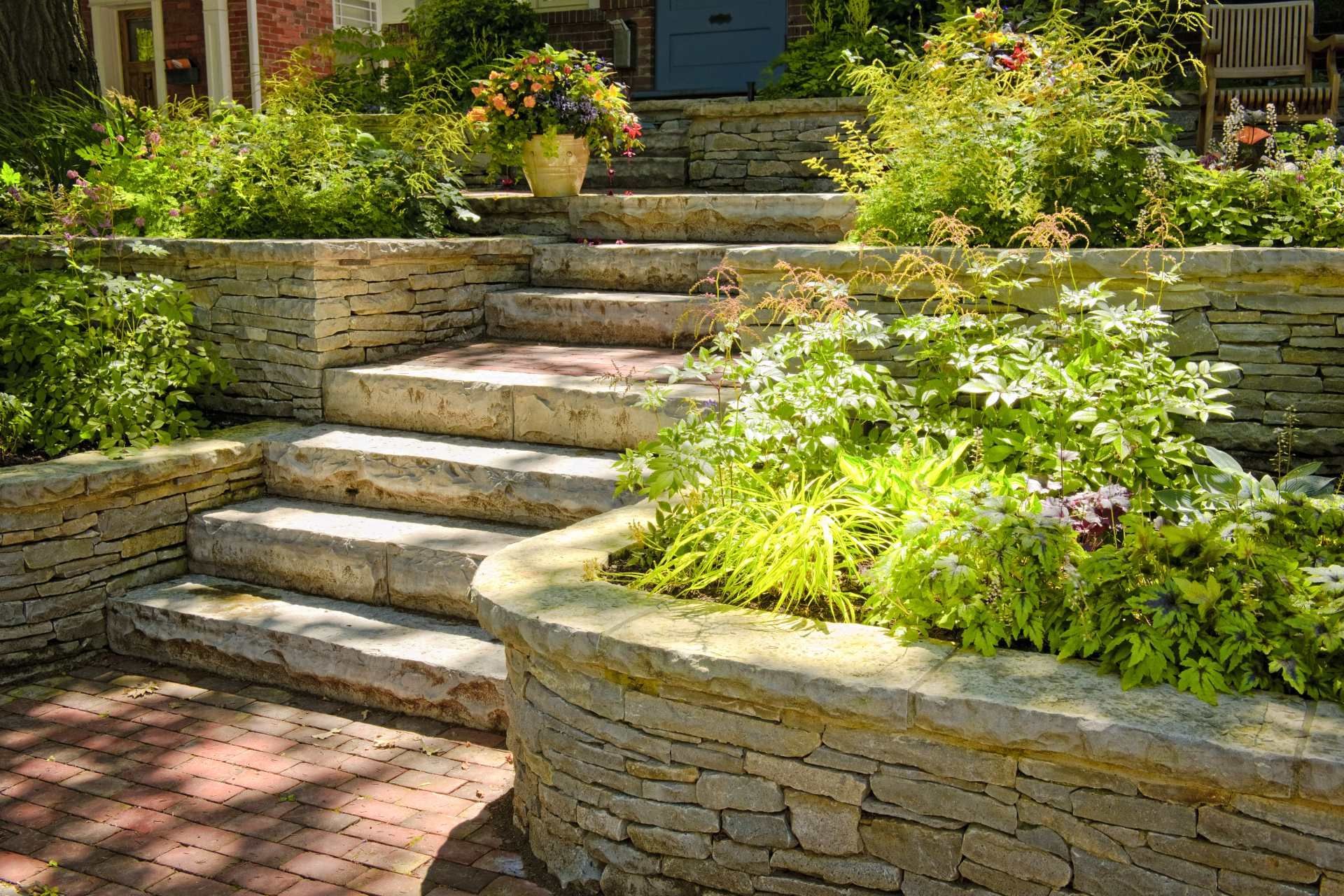
Stabilize Slopes and Create Usable Outdoor Space
Retaining Walls & Rockscapes in Conroe for homeowners dealing with sloped yards, erosion, or uneven terrain that limits usable backyard space
Lawrence Outdoor Construction builds retaining walls and rockscape features in Conroe and the surrounding area that stabilize sloped properties and create level outdoor space for patios, landscaping, and outdoor living areas. You get a wall constructed from block, natural stone, or concrete materials depending on the structural requirements and design style of your property. These walls are used for terracing yards, controlling erosion, and leveling outdoor spaces so you can use more of your backyard for functional purposes.
Retaining walls are commonly built to manage elevation changes and prevent soil from shifting during heavy rain, which is a frequent concern in Conroe. Decorative stone walls and raised planter beds can also be incorporated to add visual texture and define landscape zones. Rockscape elements may be used in landscape beds, pathways, or drainage areas to improve durability and reduce maintenance. Proper engineering and drainage planning ensure that walls remain stable and long-lasting even as the soil settles or weather conditions change.
If your property has slopes, erosion issues, or areas that are difficult to use, reach out to discuss how retaining walls and rockscapes can improve your backyard.
How Retaining Walls Are Built
You work with the team to determine the height, length, and placement of the wall based on the slope of your property and what areas need to be leveled or stabilized. The design accounts for soil type, drainage patterns, and whether the wall will support patios, landscape beds, or seating areas. A base trench is excavated and filled with compacted gravel to provide a stable foundation, and blocks or stones are stacked and secured with backfill and drainage systems to prevent water pressure from building up behind the wall.
Once the retaining wall is finished, you will notice that the slope is stabilized, soil erosion has stopped, and the newly leveled area is ready for planting, hardscape, or outdoor structures. Lawrence Outdoor Construction ensures that walls are built with proper drainage and structural support so they do not lean, crack, or shift over time. If your project includes multiple tiers or integrated steps, those elements are positioned to improve access and make the backyard easier to navigate.
Material choice depends on the height of the wall, the load it needs to support, and the appearance you want. Block retaining walls are cost-effective and available in a variety of textures and colors. Natural stone offers a more organic look and works well in properties with existing rockscape or landscape beds. Poured concrete walls provide maximum strength for taller installations or areas with significant soil pressure. Drainage systems, including weep holes and gravel backfill, are installed to prevent water from accumulating behind the wall and causing instability.
Homeowners in Conroe often ask about materials, drainage, and how retaining walls fit into landscape plans. Here are answers to the most common questions.
Questions About Retaining Walls and Rockscapes
What material works best for a retaining wall?
Block is versatile and cost-effective for most residential walls. Natural stone provides a more rustic appearance, while poured concrete is used for taller walls or areas with heavy soil pressure.
How do you prevent water from damaging the wall?
Drainage systems, including gravel backfill and weep holes, allow water to pass through and reduce pressure that can cause the wall to lean or crack.
When does a retaining wall need professional engineering?
Walls taller than four feet or those supporting significant weight, such as patios or structures, typically require engineering to ensure they meet safety and structural standards in Conroe.
Why do some walls include steps or multiple tiers?
Steps improve access to different levels of the yard, while tiered walls manage steep slopes and reduce the load on any single wall.
How long does it take to build a retaining wall?
Most walls are completed within one to two weeks, depending on height, length, material, and whether drainage systems or tiered designs are included.
Lawrence Outdoor Construction works with homeowners throughout Conroe to design and build retaining walls that stabilize slopes and create usable outdoor space. If your property has erosion issues or uneven terrain, contact the team to go over retaining wall options and site requirements.